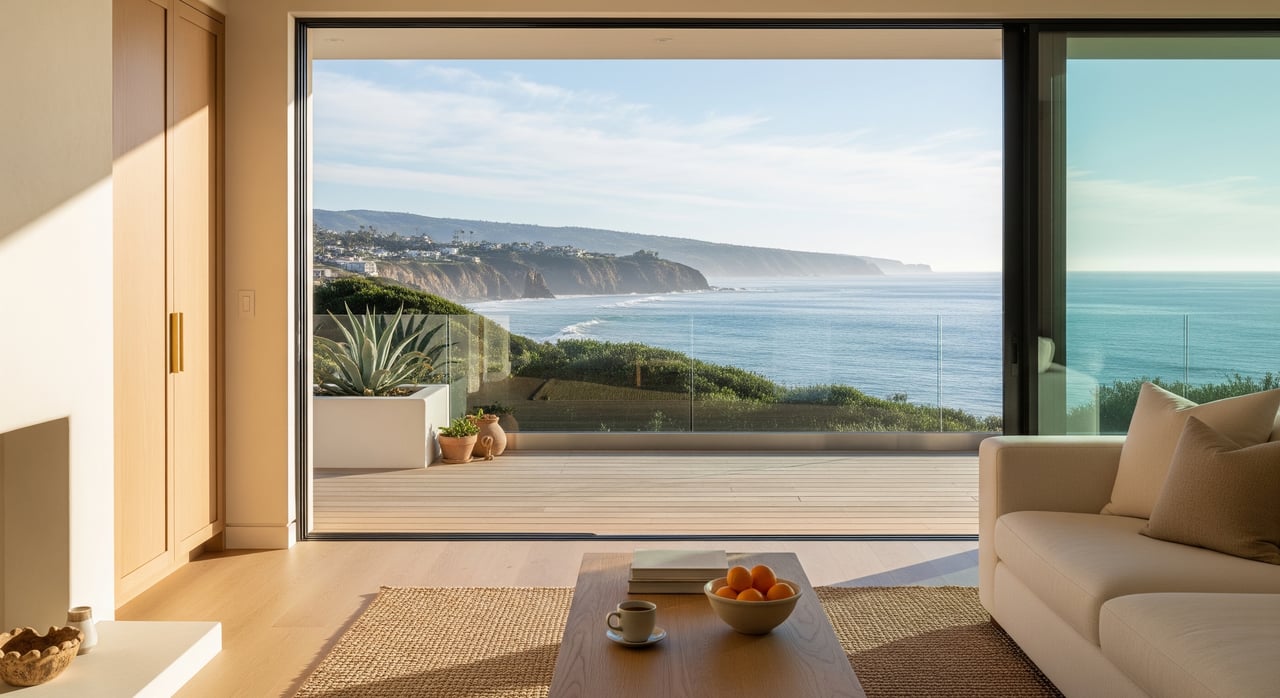
Waking up to ocean light and ending your day with sunset strolls sounds idyllic, and in Laguna Beach it often is. You also navigate steep streets, visitor waves, HOA rules in some areas, and microclimates that change block to block. If you are weighing a move here, you want the everyday picture, not just the postcard. This guide breaks down daily rhythms by neighborhood, what getting around really feels like, and the practical checks that help you buy with confidence. Let’s dive in.
Daily rhythm snapshot
Laguna Beach is a small coastal city of about 23,000 residents. It blends a lively, walkable village with quieter hillside and cove neighborhoods. Here is how most days unfold:
- Mornings: Early beach walks along Main Beach and Heisler Park are popular, and you often see a marine layer that burns off later. Surfers and swimmers head to accessible coves before crowds arrive.
- Midday: Weekdays feel calm downtown, with steady boutique and gallery traffic. Weekends are busier, especially in summer.
- Evenings: Summer evenings bring events, gallery nights, and outdoor dining. Off season is noticeably quieter.
- Weekends and high season: Expect higher visitor volumes, tighter parking near beaches, and longer waits at restaurants during art festivals and summer.
Neighborhood rhythms
Village core and Main Beach
Walkable blocks, galleries, cafés, and public beaches define the village. You can often walk to dinner and errands. On‑street parking and short‑stay public lots are common, so you plan for meters or timed spots. Summer evenings pulse with activity, while off season slows to a relaxed pace.
Hills and Top of the World
Hillside streets are steep and winding, with panoramic ocean and canyon views. Daily life is car‑forward for errands, and evenings are quiet. Wildfire awareness and evacuation planning are part of the routine in these higher‑risk zones.
South Laguna and the coves
Small coves and several gated or guard‑gated communities create a more private feel. HOAs shape daily life with guest parking rules, amenity schedules, and property standards. Some enclaves offer private beach access, while public beaches remain open to all.
North Laguna and canyon pockets
These areas feel more suburban, with easier inland access and nearby trails. You still rely on your car for most commute needs, but local parks and trailheads are close by.
Getting around
Laguna’s two main arteries are Pacific Coast Highway and Laguna Canyon Road. They work well off‑peak but slow during commute hours, summer weekends, and big events. Many residents drive to jobs in Irvine, Newport Beach, or across Orange County. Local bus service is available through the county’s transit system, but there is no heavy rail in town. If you plan to use regional rail, you will drive to a nearby hub.
Tips for smoother days:
- Leave early during peak season, and keep a flexible return window.
- Use canyon routes to reach inland cities when PCH is busy.
- Expect longer ride‑share wait times and price surges during major summer events.
Parking and visitors
Paid meters and public lots cluster near beaches and the village. Many residential streets have permit rules or time limits, so guests need to plan ahead. During summer and festival weeks, parking near Main Beach fills early. In gated communities, guest parking and beach access are governed by HOA or guard policies. If you host frequently, it helps to confirm guest parking allowances before you buy.
Climate and outdoors
Laguna enjoys a mild Mediterranean climate with small daily temperature swings. A marine layer is common in late spring and summer mornings, then burns off for clear afternoons. Inland canyon areas run warmer mid‑day and cooler at night compared with the immediate shore. Surf tends to be larger in late fall and winter, while summer seas are busier and often calmer. Many coves require stair access, which is a great daily workout but something to consider for mobility and routine.
HOAs and access
Condominiums and many gated enclaves have HOAs that set standards for rentals, guest policies, and property modifications. Fees vary widely, especially where oceanfront amenities are included. A few neighborhoods offer private beach access, while city and state beaches and parks remain open to the public. If you prefer a lock‑and‑leave lifestyle, an HOA can add confidence through maintenance standards and shared services. If you want maximum flexibility for remodeling or rentals, a non‑HOA single‑family home may be a better fit.
Services and essentials
Utility providers follow typical Southern California patterns for electricity, gas, and internet. Broadband speeds can vary by street and building, and newer or recently renovated communities are more likely to have higher‑speed options. Laguna Beach has local clinics in town; most major hospital campuses are in nearby cities such as Newport Beach and Irvine. The school district is small and locally managed. If schools matter to your plan, review district resources and confirm current boundaries for your specific address.
Risks and insurance
Hillside and canyon areas carry higher wildfire risk, with brush clearance requirements and established evacuation routes along the canyon and coastal highways. Oceanfront and bluff properties require attention to coastal hazards and setbacks. Insurance can be more expensive in higher‑risk zones, so request quotes early in your search and review hazard disclosures carefully. Many residents keep an emergency plan and go‑bag ready, especially above the village.
Remodels and permitting
Remodels and new builds often require design review and, depending on location, coastal or hillside oversight. Expect longer timelines and stricter design parameters than many inland suburbs. If you plan to renovate, understand the local review path before you make an offer, including any potential interaction with coastal authorities for shoreline or bluff‑adjacent work.
Cost of living basics
Laguna Beach is a high‑cost coastal market compared with county and state averages. California’s base property tax structure is about 1 percent of assessed value, plus local assessments. HOA dues, where applicable, add to monthly carrying costs, especially in oceanfront communities with shared facilities. Factor these into your budget alongside insurance and potential special assessments.
Buyer due diligence
Use this checklist to preview daily life and avoid surprises:
- Visit at multiple times: weekday morning, weekday evening, weekend midday, and during a major event if possible.
- Confirm parking: street rules, resident permits, public lot options, and HOA guest policies.
- Review HOA documents: recent meeting minutes, rental restrictions, special assessments, and planned projects.
- Verify utilities: provider options, internet speeds, and reliability for the exact address.
- Assess hazards: wildfire risk, defensible space requirements, and evacuation routes in hillside or canyon areas.
- Check coastal factors: coastal setbacks, bluff stability, and any coastal oversight for oceanfront or bluff properties.
- Understand permits: design review timelines and steps for remodels and additions.
- Confirm schools: district boundaries and program offerings if schools are part of your decision.
- Obtain insurance quotes early: homeowner and wildfire coverage availability and cost.
Is Laguna right for you?
- Walk‑to‑dinner lifestyle: You want to stroll to cafés, galleries, and the beach. The village core or North Laguna near Heisler Park may suit you.
- Privacy and views: You value quiet evenings and panoramic scenery. Hills and ridgeline neighborhoods deliver that feel, with wildfire planning as part of daily life.
- Easy beach routine: You prefer quick cove access, possibly with HOA amenities. Look to South Laguna and select gated enclaves, and review access rules.
- Balanced commute: You need reasonable access to Irvine and regional freeways. North Laguna and canyon‑adjacent pockets can simplify inland trips.
Next steps
If the Laguna Beach lifestyle fits your vision, the right property will match your daily routine as much as your wish list. A thoughtful plan covers walkability, parking, HOA governance, hazards and insurance, and any remodel goals. When you are ready to compare neighborhoods or vet a specific address, reach out for one‑on‑one guidance. With a luxury HOA management background and a concierge approach, Janine will help you find the right fit and navigate the details with calm expertise.
Ready to explore? Connect with Janine Stratton for a private consultation.
FAQs
Is Laguna Beach walkable for daily errands?
- The downtown village and beachfront blocks are highly walkable, while most hillside and canyon neighborhoods are car‑dependent for everyday errands.
How bad is traffic on PCH and the canyon?
- Traffic concentrates during commute peaks, summer weekends, and festivals. Off‑peak trips are often quick, so plan extra time during high‑season periods.
Will I need an HOA property to live near the beach?
- Not necessarily. Many condos and gated enclaves have HOAs, but single‑family homes without HOAs also exist. Rules and fees vary, so review each community.
Are summers too crowded to enjoy the beach?
- Summer brings more visitors near Main Beach and the village. Many residents go early, choose quieter coves, or visit during off‑peak hours to avoid crowds.
What natural hazards should I plan for?
- Hillside and canyon areas face higher wildfire risk, while bluff areas require coastal awareness. Prepare with defensible space, insurance, and an evacuation plan.
Can I commute to Irvine or Anaheim from Laguna?
- Yes. Many residents drive via Laguna Canyon Road or PCH, with typical regional congestion. Local bus options exist, but you will likely rely on a car.