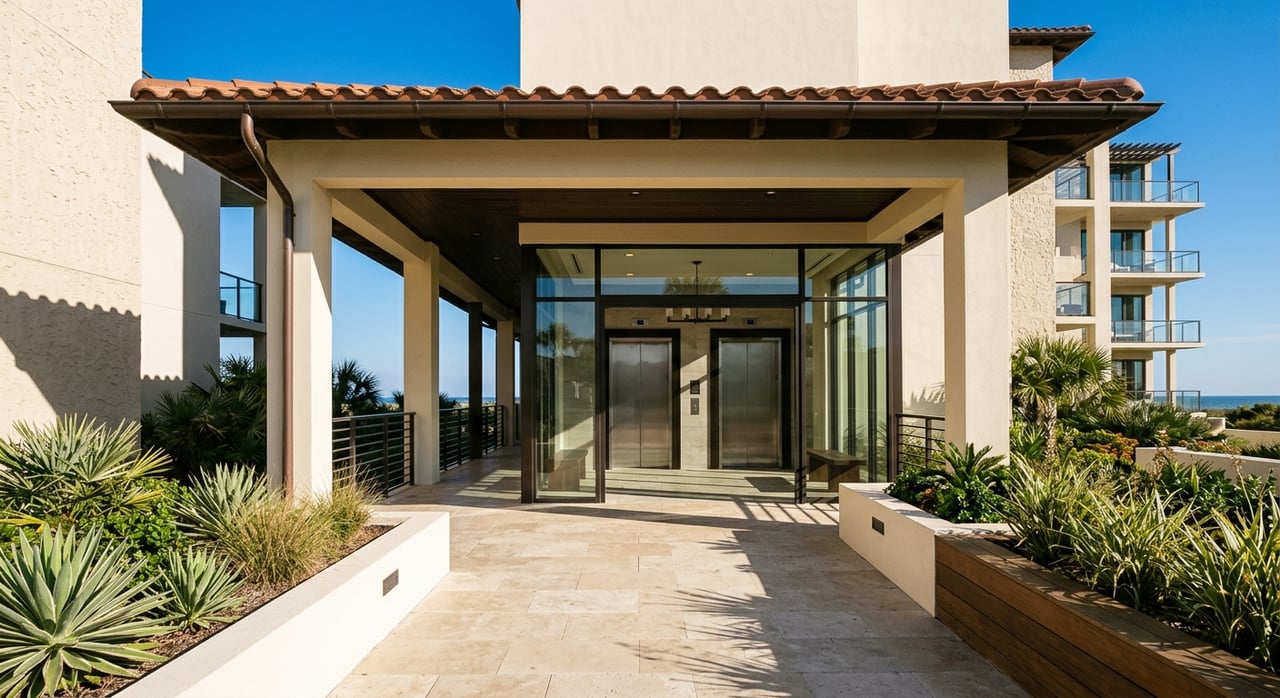
If you picture a Newport Beach second home as simply “a nice condo by the water,” you could end up narrowing the wrong things first. In this market, the better choice usually comes from matching the property to how you will actually use it, then confirming the building can support that plan. This guide will help you compare neighborhoods, rental rules, HOA details, and operating costs so you can build a smarter shortlist. Let’s dive in.
Start With Your Use Pattern
A second home in Newport Beach works best when it fits your real routine, not just your wish list. That means thinking about whether you want sand-first weekends, harbor access, a quiet lock-and-leave setup, or a place to host family and friends a few times a year.
That first step matters because Newport Beach offers very different coastal settings. The city spans more than eight miles of coastline, includes one of the largest recreational harbors in the United States, and has a large area within the Coastal Zone, which can affect access, review, and hazard considerations in some locations. City planning materials and Visit Newport Beach’s beach overview show just how varied the city is from one area to the next.
Compare Newport Beach Areas
Choose Bayfront or Harbor Living
If your ideal second home centers on boating, harbor views, or an easy waterfront rhythm, bayfront and harbor-oriented areas may be the strongest fit. These locations often appeal to buyers who care more about marina access, walkability to dining, and time on the water than direct beach activity.
Balboa Island offers one of the clearest bay-first lifestyles. According to the Balboa Island neighborhood guide, the area is known for waterfront views, a 2.5-mile loop, and the historic Balboa Island Ferry.
Lido Marina Village and Cannery Village can suit buyers who want a harbor-focused setting with nearby dining and dock access. The Cannery Village guide highlights harbor views, dock-and-dine options, electric boat rentals, and public docking spaces.
Mariner’s Mile and Westcliff lean more nautical than beach-first. Visit Newport Beach describes the area as the nautical heart of Newport Beach, with harbor-oriented activity, nearby dining, and access to Upper Newport Bay trails.
Focus on Beach and Ocean Access
If your second home is really about being near the sand, ocean views, or a more resort-like coastal setting, your shortlist may look different. These areas tend to align better with buyers who want a classic beach routine or a scenic retreat.
Balboa Peninsula is one of the clearest beach-first choices. The Balboa Peninsula guide notes that the harbor sits on one side and broad sandy beaches on the other, while the city also points to beach amenities and the free Balboa Peninsula Trolley that helps reduce parking and traffic pressure.
Corona del Mar offers a more village-style coastal experience. The Corona del Mar neighborhood guide highlights access to Corona del Mar State Beach, Little Corona, Pirate’s Cove, nearby shopping, and the Saturday farmers market.
Newport Coast and Crystal Cove may appeal if you want a more resort-oriented feel. The Newport Coast and Crystal Cove guide emphasizes hiking, Crystal Cove State Beach, tide pools, and golf amenities.
Check Rental Flexibility Early
Before you compare finishes, views, or staging, confirm what kind of rental use is possible. This is one of the biggest practical filters for second-home buyers, especially if you may want part-time income or future flexibility.
Newport Beach defines short-term lodging as a rental of fewer than 30 consecutive days. The city states that properties in certain residential zones require both a short-term lodging permit and a business license, and it offers a short-term rental address search tool so you can check whether a specific address is eligible.
City rules are only one layer. California law also allows HOAs to prohibit transient rentals of 30 days or less, even though there are limits on how associations can restrict longer-term rentals under Civil Code sections 4740 and 4741.
In plain terms, both the city and the HOA have to work for your plan. A condo may qualify under city rules, but the building’s CC&Rs may still block short-term use or place limits on rentals within the community.
Review the Building, Not Just the Unit
In a condo purchase, the building often matters more than the countertops. That is especially true for a second home, where convenience, predictability, and long-term maintenance can shape your ownership experience just as much as the location.
California requires certain HOA financial and reserve disclosures, including reserve study visual inspections at least every three years when applicable. The annual budget package also includes an Assessment and Reserve Funding Disclosure Summary, and owners should understand that association insurance may not fully cover interior improvements or personal belongings, as outlined in California Civil Code section 5550.
That matters even more in Newport Beach because much of the city’s housing stock dates from 1960 to 1999. The city notes in its planning materials that homes more than 50 years old are more likely to need major repairs, so it is worth asking about roofs, plumbing, windows, elevators, waterproofing, and any history of special assessments.
Ask for Key HOA Documents
A polished lobby or updated unit does not tell you enough about the building’s health. You will usually want to review the documents that show how the association operates and what major expenses may be coming.
California’s disclosure rules require sellers to provide governing documents and a statement describing any rental prohibition. Buyers can also request the prior 12 months of non-executive board minutes and information on assessment changes under Civil Code section 4525.
Those records can help you spot patterns that matter in second-home ownership, such as deferred maintenance, recurring leak issues, insurance concerns, disputes over parking, or rising operating costs. For many buyers, this is where a promising unit either stays on the shortlist or drops off it.
Understand Insurance and Hazard Exposure
HOA dues are only one part of the cost picture. Insurance deserves the same attention, especially in a coastal market where location-specific risks can affect both coverage and budgeting.
The California Department of Insurance explains that condo structures are typically insured by the association, while your unit interior is generally covered by an HO-6 or similar policy. It also notes that standard homeowners, renters, and condominium policies do not cover earthquakes, floods, or landslides.
FEMA guidance on flood coverage reinforces that flood insurance is separate from most homeowners coverage. That is important in Newport Beach, where the city identifies coastal flooding, beach erosion, bluff erosion, sea-level-rise impacts, and storm inundation as real hazard considerations in some areas.
Consider Remodel Timing and Coastal Review
If you expect to update your condo after closing, make sure you ask how simple that process will really be. In Newport Beach, location can affect permitting timelines and review complexity.
The city notes that because more than 63% of Newport Beach is within the Coastal Zone, remodels in sensitive areas may involve added time, cost, and approval uncertainty. If your second-home strategy includes immediate renovations, this is worth weighing before you commit to a building or location.
Use a Practical Shortlist
Once you narrow by neighborhood and confirm rental goals, build your final shortlist around day-to-day function. The strongest Newport Beach second-home options usually align location, HOA rules, and ongoing costs around the same lifestyle goal.
A few questions can help you pressure-test a condo before you go further:
- Is the building best suited for a sand-first, harbor-first, quiet lock-and-leave, or entertaining-heavy routine?
- How many deeded or assigned parking spaces come with the unit?
- Are there restrictions on guest parking, bikes, surfboards, or oversized vehicles?
- Does the building offer elevator access, storage, package handling, on-site management, or security?
- Can you review the reserve study, insurance information, and recent board minutes before moving forward?
- Are earthquake and flood insurance costs realistic for the location and age of the building?
You can also ask for the property’s Residential Building Record information, which may provide permit history, zoning information, and details that help flag life-safety issues or unpermitted work.
A well-chosen Newport Beach condo should support the way you plan to use it from day one. If you want a calm, detailed review of neighborhoods, HOA documents, and second-home tradeoffs, Janine Stratton offers concierge-level guidance tailored to coastal Orange County buyers.
FAQs
What matters most when choosing a Newport Beach condo for a second home?
- The most important first step is matching the condo’s location and building rules to how you will actually use the property, whether that means beach access, harbor access, rental flexibility, or low-maintenance lock-and-leave ownership.
Which Newport Beach areas are best for a bayfront second home?
- Balboa Island, Lido Marina Village, Cannery Village, and Mariner’s Mile are often strong areas to explore if you want a harbor-oriented or bay-first lifestyle.
Which Newport Beach areas fit a beach-first second home?
- Balboa Peninsula, Corona del Mar, and Newport Coast or Crystal Cove may be better fits if your focus is beach access, ocean scenery, or a more resort-like coastal setting.
Can you use a Newport Beach condo as a short-term rental?
- Possibly, but you need to confirm both city eligibility and HOA rules because Newport Beach regulates short-term lodging and HOAs may prohibit rentals of 30 days or less.
Why do HOA documents matter when buying a second-home condo in Newport Beach?
- HOA documents can reveal rental restrictions, reserve strength, insurance details, recent board issues, assessment changes, and maintenance concerns that may directly affect your ownership costs and flexibility.
What insurance issues should second-home buyers review for Newport Beach condos?
- You should review the HOA master policy, what an HO-6 policy would cover for your unit, and whether separate flood or earthquake coverage may be needed based on the building’s location and risk profile.