If you only know Corona del Mar from glossy beach photos, you are seeing just part of the story. This Newport Beach village offers much more than ocean views and sunny afternoons, and that matters if you are thinking about buying, selling, or simply understanding how the area really lives day to day. From the walkable village core to quieter bluffside streets, here is what makes Corona del Mar feel like a full neighborhood, not just a postcard. Let’s dive in.
Corona del Mar Is More Than a Beach Stop
Corona del Mar is one of Newport Beach’s named villages, and the city describes it as the Crown of the Sea. That identity includes more than the shoreline. The village also includes Corona del Mar State Beach, the Robert E. Badham Marine Conservation Area, Lookout and Inspiration Points, and an inland downtown lined with shops, boutiques, and restaurants along Coast Highway.
That mix helps explain why Corona del Mar feels so established and social. You have outdoor beauty, but you also have a village center where daily routines can happen close to home. Sherman Library and Gardens adds to that feel, giving the area a 2.2-acre horticultural retreat just inland from the main corridor.
City planning also supports this village-first identity. Newport Beach’s current Commercial Corridor Study focuses on keeping Corona del Mar vibrant, walkable, and connected while preserving the character of the village. In practical terms, that signals a place shaped by both lifestyle and long-term planning.
Village Core Living in Corona del Mar
If you want the most walkable version of Corona del Mar living, the Coast Highway corridor is the clearest fit. City planning documents describe this stretch between Avocado Avenue and Hazel Drive as a pedestrian-oriented corridor with restaurants, apparel shops, home-furnishings stores, offices, and mixed-use buildings.
That layout supports a lifestyle built around short outings and convenience. You can picture grabbing coffee, running a quick errand, meeting friends for dinner, or stopping into a service business without needing a long drive. For many buyers, that is the real charm of the village core.
The built form matters too. Planning documents note the goal of maintaining a pedestrian-oriented building wall along the street, which helps create a more connected, main-street atmosphere. Instead of feeling spread out, the core feels compact and active.
Bluff and Hillside Streets Offer a Different Pace
Not every Corona del Mar home is centered on walkability. Homes on bluff edges or higher streets often appeal for different reasons, especially if you value outlook, privacy, and a quieter residential rhythm.
The city highlights Lookout and Inspiration Points for their scenic views of the ocean and the entrance to Newport Harbor. Planning materials also call for protecting bluff faces and maintaining view corridors. Together, those details help show why some areas of Corona del Mar feel more tucked away and view-oriented.
For buyers, this often comes down to lifestyle priorities. If you want to step out into the middle of village activity, the core may feel right. If you prefer calmer streets and a more removed feel, hillside or bluff-adjacent locations may be a better match.
Everyday Life Goes Beyond Beach Days
A big part of Corona del Mar’s appeal is how many routines fit into one neighborhood. Yes, the beach is central, but the area also supports a fuller day-to-day lifestyle that feels practical as well as scenic.
Newport Beach says its beaches are open from 6 a.m. to 10 p.m. At Corona del Mar State Beach, you will also find restrooms, showers, and a food concession, along with fire rings and public barbecues available on a first-come, first-served basis. Beach wheelchairs are also available there, which adds accessibility for visitors and residents.
Beyond the sand, Buck Gully Reserve adds 254 acres of city-owned open space with trails open daily from dawn to dusk. That creates another layer of outdoor living that is less about a beach outing and more about regular movement, views, and nature close to home.
Daily convenience also shows up in quieter ways. The Newport Beach Public Library operates a Corona del Mar Branch on Marigold Avenue, and nearby lots serve village restaurants, services, and stores. Those details may sound simple, but they are part of what makes the neighborhood feel lived-in rather than seasonal.
Parking Shapes How the Village Functions
Parking is one of the most practical details in Corona del Mar, especially if you are weighing walkability versus visitor access. Along East Coast Highway, street parking is free but limited to two hours from 7 a.m. to 6 p.m. That supports short village trips more than long stays.
The city also operates the Old School Park/Dahlia Avenue lot and the Bayside Drive lot for nearby restaurants, services, stores, and Saturday market traffic. These public options help support the village core, especially during busier times.
For beach access, the Corona del Mar State Beach lot adds 572 spaces. It also includes restrooms, showers, and a concession area. This reinforces the idea that beach activity in Corona del Mar often functions as a planned outing, while the village core is designed for shorter, more frequent stops.
Housing Styles Range From Cottages to Planned Communities
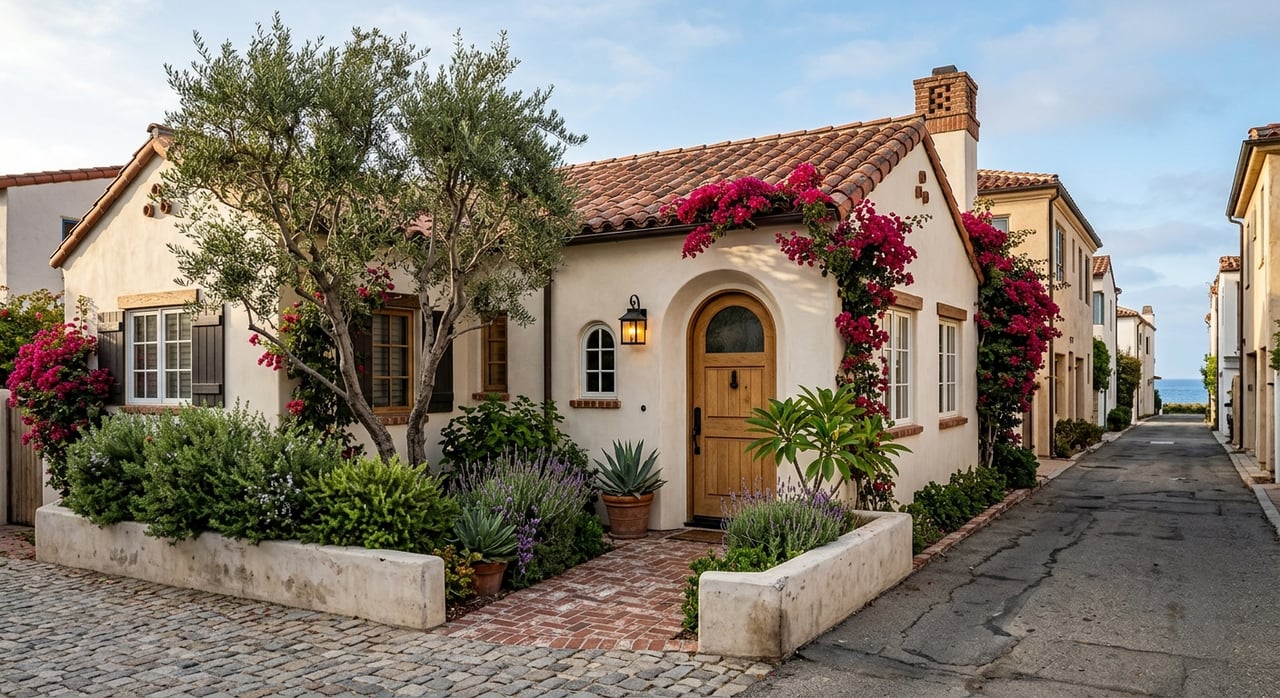
Corona del Mar’s housing stock is not one-note. The area still carries the classic cottage pattern many people associate with older coastal Newport Beach. According to the city’s Cottage Preservation program, these traditional homes are typically smaller dwellings, often one story with a small second story above rear parking.
That older pattern gives parts of Corona del Mar a distinct sense of scale and history. For buyers, it can mean a streetscape that feels different from newer, more uniform development. For sellers, it helps explain why architecture and setting play such an important role in how homes are perceived here.
At the same time, Corona del Mar also includes planned communities within the city’s planning system. That broadens the range of ownership options and can appeal to buyers looking for a different balance of maintenance, structure, and shared governance.
Why HOA Living Appeals in Corona del Mar
For many buyers, especially downsizers and second-home shoppers, HOA-governed condos and townhomes can be a strong fit in Corona del Mar. The California Department of Real Estate notes that when you buy in a common interest development, association membership is automatic. It also advises buyers to factor HOA dues and assessments into monthly ownership costs.
That matters in a coastal market where convenience can be a major priority. If you want a more lock-and-leave lifestyle, HOA-managed ownership may offer the lower-maintenance setup you are looking for. It can also bring added structure around community rules, property upkeep, and long-term budgeting.
This is where local guidance becomes especially valuable. If you are comparing detached homes, condos, or townhomes in Corona del Mar, understanding how governance, dues, and community standards affect daily ownership can shape the right decision.
Community Life Has a Rhythm of Its Own
Corona del Mar has more neighborhood tradition than many people expect. Newport Beach highlights recurring local events like the Corona del Mar Scenic 5K in spring and the Corona del Mar Christmas Walk during the holiday season. These kinds of events help reinforce that Corona del Mar is not only beautiful, but also socially connected.
That sense of rhythm matters if you are choosing a place based on lifestyle, not just property features. A neighborhood with recurring traditions often feels more grounded and personal. You are not just buying proximity to the coast. You are buying into a pattern of living.
For many people, that is the real difference between visiting Corona del Mar and living there. The draw is not one dramatic moment. It is the combination of scenery, errands, routines, and community habits that create everyday ease.
What Buyers and Sellers Should Notice
If you are buying in Corona del Mar, think beyond the view and ask how you want your days to function. Do you want walkable access to dining and errands along Coast Highway, or would you rather prioritize privacy and outlook on a quieter residential street? The answer can narrow your search quickly.
If you are selling, lifestyle positioning matters. A home in the village core may resonate with buyers focused on convenience and short trips on foot, while a bluff or hillside home may appeal more for views and a tucked-away setting. The strongest marketing strategy reflects how the location actually lives.
In both cases, Corona del Mar rewards a nuanced understanding of place. The village is compact, but the experience of living there can vary meaningfully from one pocket to another.
If you are exploring a move in or around Corona del Mar, working with someone who understands both the lifestyle and the practical details can make the process feel much clearer. Janine Stratton offers a concierge-style approach with deep HOA knowledge and local insight to help you navigate coastal Orange County with confidence.
FAQs
What is daily life like in Corona del Mar beyond the beach?
- Corona del Mar supports a layered routine with village dining and errands, library access, gardens, open-space trails, and community events in addition to beach time.
What part of Corona del Mar is most walkable?
- The Coast Highway corridor between Avocado Avenue and Hazel Drive is the most walkable area, with a pedestrian-oriented layout and a mix of shops, restaurants, and services.
What is the difference between village core and bluff living in Corona del Mar?
- Village core living tends to center on walkability and quick access to shops and dining, while bluff and hillside areas generally offer more privacy, quieter streets, and scenic outlooks.
What types of homes can you find in Corona del Mar?
- The area includes classic cottage-style homes as well as properties in planned communities, giving buyers a range of ownership styles and maintenance levels.
Are HOA properties common in Corona del Mar?
- Corona del Mar includes planned communities and common interest developments, so condos and townhomes with HOA governance are a realistic option for buyers seeking a more maintenance-light lifestyle.
How does parking work in Corona del Mar?
- East Coast Highway street parking is free but limited to two hours from 7 a.m. to 6 p.m., and the city also provides public lots near village businesses plus a larger beach parking lot at Corona del Mar State Beach.